
The Chronicles of the House of Yakubu
From the scholastic foundations of Malam Yakubu I in 1770 to the contemporary leadership of the 11th Emir of Bauchi, explore more than two centuries of faith, statesmanship, and heritage.

The House of Malam Yakubu
The family history of Malam Yakubun Bauchi begins with the founder himself and extends through the numerous branches of his descendants. The family record identifies Malam Yakubu (17.....–1845) as the head and founding ancestor of the House of Yakubu. He was survived by 22 sons, whose names are preserved in the family record.
Among these 22 sons, the family record identifies six branches whose descendants were still living at the time the account was written:
- Ibrahim
- Abdullahi
- Muhammadu-Ghani
- Mahmudu
- Salmanu
- Mustapha-Babba.
These six branches constitute an important part of the continuing Banu Yakubun Bauchi family. Each branch represents a line of descent from Malam Yakubu and each forms part of the larger family whose members today extend across different communities, professions and generations.
The genealogical chart preserved in the family source illustrates some of these family connections. It begins with Malam Yakubu and traces relationships through his sons and subsequent generations, including the branches associated with:
- Ibrahim
- Abdullahi
- Muhammadu-Ghani
- Mahmudu
- Salmanu
- and Mustapha-Babba.
It also records a number of descendants who subsequently became Emirs of Bauchi.
The Family and the Bauchi Throne
The history of the Bauchi Emirate is inseparable from the history of the House of Malam Yakubu. Malam Yakubu established the emirate and founded the ruling house from which successive Emirs of Bauchi emerged.
The historical record shows that members of different branches of Malam Yakubu's descendants have occupied the throne at different periods. The wider historical record likewise confirms that the succession has included descendants of Yakubu through different family lines.
For the Banu Yakubun Bauchi family, this history reinforces an important principle of our shared heritage: the throne belongs to the House of Malam Yakubu and is not the exclusive inheritance of one particular branch of his descendants.
According to the family's understanding of its heritage and succession tradition, every qualified male descendant of Malam Yakubu through the recognised surviving branches of his family has an equal inalienable right to be considered for the Emirship when a vacancy exists. In other words, descent from any of the six surviving progenies identified in the family record does not, by itself, place one branch above another.
Thus, whether a descendant traces his lineage through:
- Ibrahim
- Abdullahi
- Muhammadu-Ghani
- Mahmudu
- Salmanu or
- Mustapha-Babba,
he remains a member of the same larger House of Malam Yakubu.
The significance of this principle is not merely political. It reflects the fundamental understanding of the family as one house descended from one founding ancestor. The different branches are therefore not separate families competing for historical recognition. They are interconnected branches of the same ancestral tree.
One ancestor, many branches, one family.
The passage of generations has naturally produced numerous members in the branches within the House of Malam Yakubu. Some branches became prominent in traditional leadership, while others contributed to the family and society through scholarship, Islamic learning, public service, business, education, military service and other fields.
The occupation of the emirship by members of particular branches at different points in history should therefore be understood within the broader context of the family tree. The absence of a particular branch from the throne at a particular period does not diminish that branch's place within the House of Malam Yakubu.
Indeed, the history of the family demonstrates that family membership is founded on descent, not on possession of office.
Every descendant has a place in the history of Banu Yakubu, whether or not his or her ancestor ever occupied a traditional title.
Preserving the Unity of the House
For this reason, the Banu Yakubun Bauchi Development Forum recognises the importance of preserving the unity of all branches of the family.
The purpose of documenting the genealogy is not simply to identify those who occupied the throne. It is to establish and preserve the relationships among the descendants of Malam Yakubu and to ensure that every branch is remembered as part of the same ancestral heritage.
The family tree should consequently continue to grow as descendants come forward with authenticated information about their parents, grandparents and earlier ancestors. In this way, the six surviving branches identified in the original family record can be progressively documented down to the present generation, including both male and female descendants.
A shared Inheritance
The House of Malam Yakubu is therefore a family of many branches but a single ancestry.
From Malam Yakubu came his 22 sons. From six of those branches, the family record confirms continuing descendants at the time of the original account. From those descendants have come succeeding generations whose lives form part of the continuing history of Bauchi and its people.
The Emirship is one of the most visible aspects of this heritage, but it is not the entirety of it. The greater inheritance is the family itself.
The Banu Yakubun Bauchi Development Forum therefore seeks to preserve the House of Malam Yakubu as a united family, respecting every branch, documenting every generation and ensuring that the descendants of Malam Yakubu remain conscious of their common ancestry.
It is however to be noted that the Yakubun Bauchi Development Forum is an entity incorporated under Nigerian law whose legitimate and bona-fide members consist not only male but also female descendants of Yakubun Bauchi. It therefore means that any person who is traced to be a biological descendant, either through maternal or paternal connection, is qualified as member of the Yakubun Bauchi Development Forum with equal right and opportunity to benefit from the Forum’s fortunes.
Malam Yakubu's Works, Treatises & Monumental Achievements
Scholarly Inscriptions & Treatises
Malam Yakubu was renowned as a profound jurist (Faqih) and master of Arabic calligraphy. He authored significant treatises on public governance, taxation, and communal dispute resolution rooted in the Maliki school of law.
Urban Fortification: Ganwar Bauchi
Between 1805 and 1812, Malam Yakubu commissioned the Bauchi city wall with multiple strategic gates: Kofar Inkil, Kofar Ran, Kofar Wunti, Kofar Jahun, and Kofar Nasarawa, protecting the city and fostering regional trade across central and northern Nigeria.
Administrative Foundations
He created enduring traditional administrative titles—Madaki, Galadima, Sarkin Yaki, Waziri—integrating local leaders and establishing peaceful coexistence that defines Bauchi to this day.
III. Ganwar Bauchi: Ancient Fortifications & Palace Gates
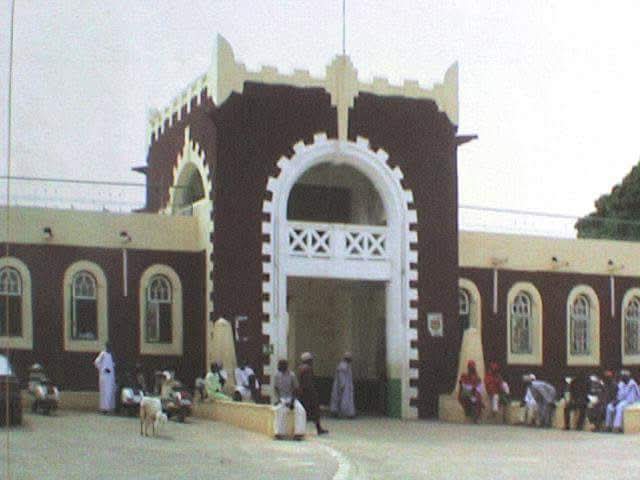
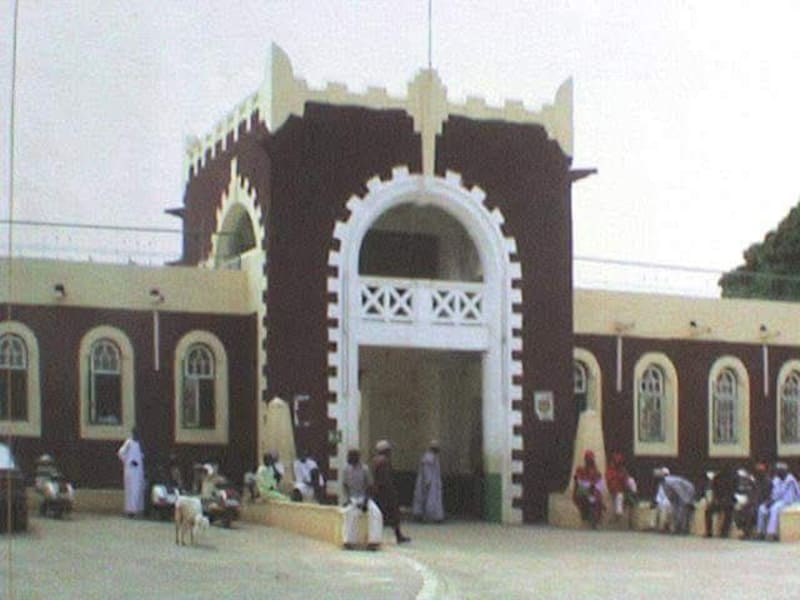
Between 1809 and 1812, Malam Yakubu oversaw the construction of Ganwar Bauchi, an extensive earthen wall surrounding the new capital with strategic fortified gates: Kofar Inkil, Kofar Ran, Kofar Wunti, and Kofar Tirwun. The palace, Gidan Sarkin Bauchi, was built at the epicenter, featuring majestic arches, thick insulating mud walls, and expansive council courtyards that remain active royal landmarks today.
IV. The Seven Recognized Lineage Branches
Upon Malam Yakubu’s transition in 1845, the family tree established the royal branches descending from his noble sons. All seven branches—including Prince Halilu—are permanently honored in the House of Yakubu:
Chronological Timeline (1770–2026)
Birth of Malam Yakubu I
Born in Tirwun to an esteemed lineage of scholars. Studied Islamic jurisprudence, Arabic rhetoric, and theology under renowned regional teachers.
Commission by Shehu Usman Dan Fodio
Malam Yakubu traveled to the Sokoto Caliphate and was commissioned directly by the Shehu as the sole non-Fulani flagbearer, entrusted with the eastern domains.
Establishment of Bauchi & City Wall Construction
Malam Yakubu selected the strategic highland location of Bauchi as the seat of the Emirate. Commenced construction of Ganwar Bauchi (city wall) with fortified gates.

Transition & Succession of Sarkin Bauchi Ibrahim
Malam Yakubu passed on after 40 years of wise and virtuous rule. His eldest son, Ibrahim, ascended the throne, establishing the first of the seven recognized branches.
Consolidation of the House of Yakubu
Successive reigns of Emirs Usmanu, Umaru, and Muhammadu Maigari fortified trade routes, justice courts, and Quranic schools across the territory.
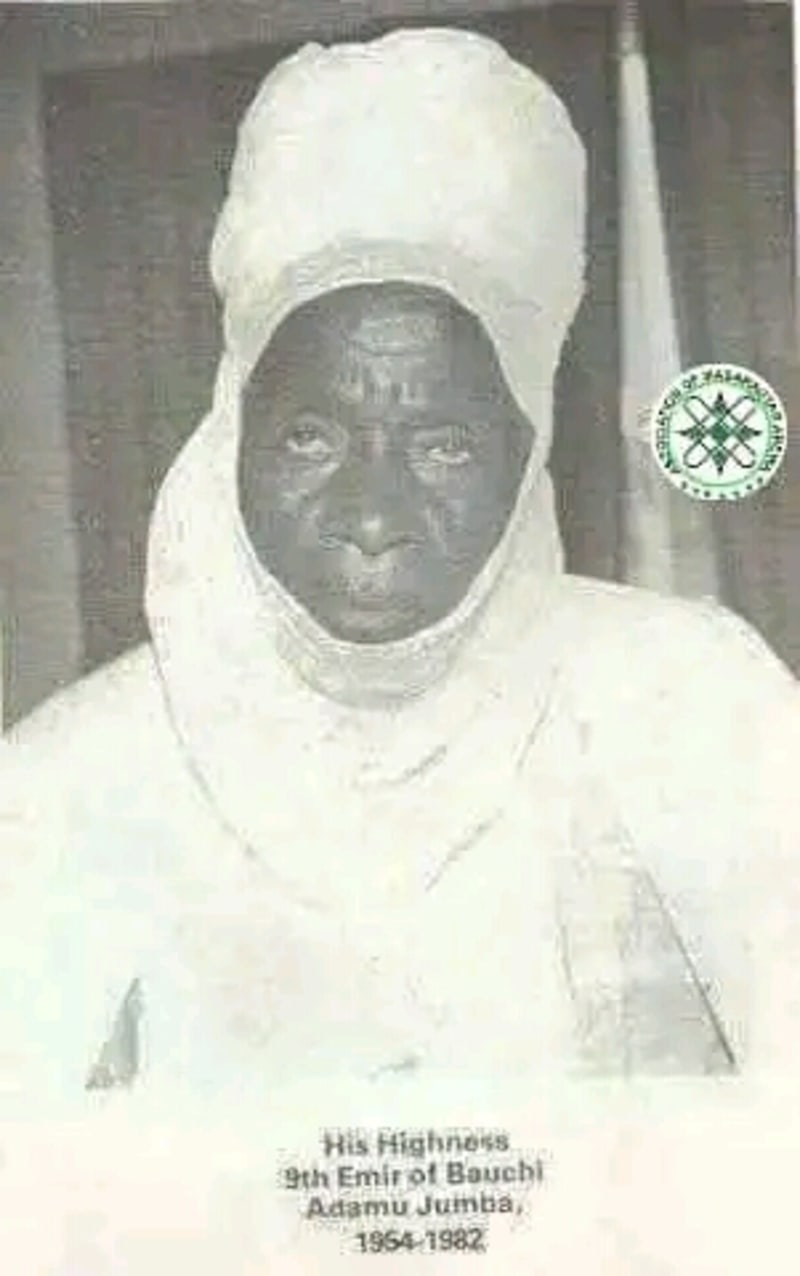
Reign of 9th Emir Adamu Jumba, CFR, CMG
Reigned for 28 years through Nigeria’s independence and modernization era. A statesman of patient dignity, awarded national and royal honors.
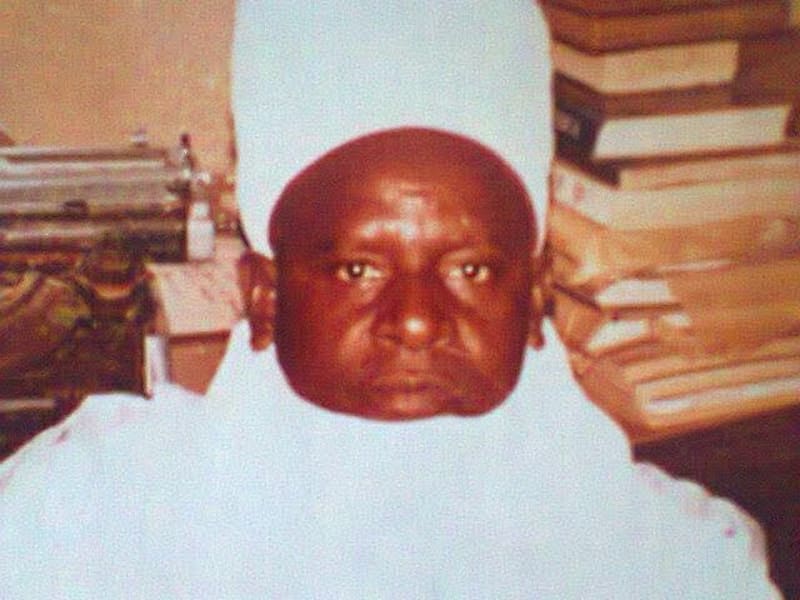
Reign of 10th Emir Dr. Sulaiman Adamu, CON
Scholarly monarch and Chancellor of University of Maiduguri. Deeply committed to peaceful coexistence, public health, and cultural documentation.
Ascension of 11th Emir Dr. Rilwanu Suleiman Adamu, CFR
The current reigning sovereign. Champion of maternal health, education, and modern emirate governance, guiding the House of Yakubu in the 21st century.
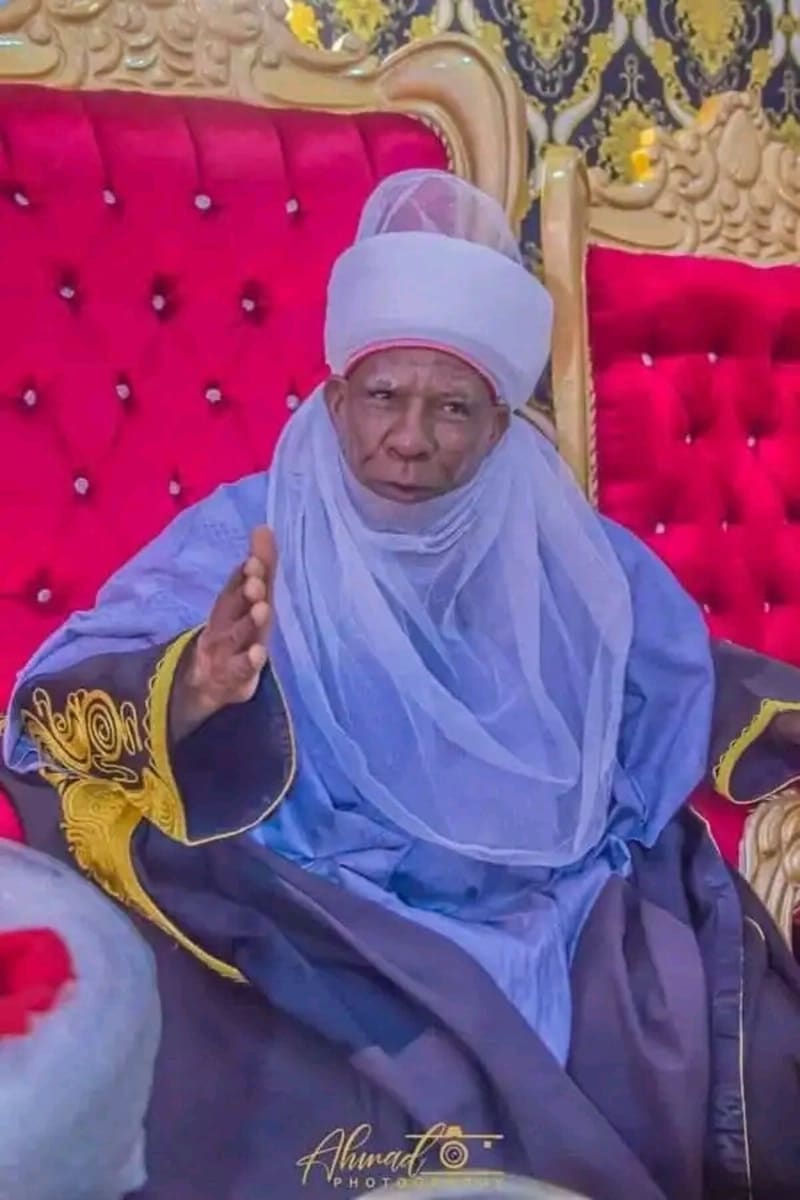
Inauguration of Banu Yakubun Bauchi Forum
Launch of the unified digital genealogy platform and formal constitution of the forum, bringing together thousands of descendants across Nigeria and the world.

Contribute to the Documented Annals
Our historical archives grow richer as living descendants bring forward authenticated oral histories, archival photos, and records of their parents and grandparents.